Most retirement advice focuses on one fear: running out of money. That risk is real, but for many disciplined savers in their 50s and 60s, the opposite problem is more likely—spending too little and never fully enjoying what they worked decades to build.
Underspending does not show up as a crisis. It quietly appears as trips you do not take, experiences you postpone, and a lifestyle that stays permanently in “cautious mode” even when the numbers say you can afford more.

Why So Many Retirees Underspend
If you have been a lifelong saver, switching into “spend” mode can feel unnatural. Several forces push retirees toward underspending:
-
Fear of outliving savings. Headlines about market crashes, inflation, and healthcare costs make worst‑case scenarios feel vivid, even when your plan shows a strong margin of safety.
-
Saver identity. After 30–40 years of putting money away, not touching principal feels like success. Spending down assets—even responsibly—can feel wrong or risky.
-
Market anxiety. Volatility and negative news can make you default to “better safe than sorry,” even when a well‑built plan anticipates those bumps.
Over time, these factors lead many retirees to live below what their portfolios and guaranteed income could comfortably support.
The Real Cost of Being Too Frugal
On the surface, underspending can sound like a “good problem.” In reality, it comes with real emotional and financial costs:
-
Missed experiences in the “go‑go” years. The first decade of retirement is often when health, energy, and interest in travel are highest. Waiting too long can turn “someday” into “never.”
-
Fewer shared memories. Trips with adult children or grandchildren, simple family gatherings, and experiences you could easily afford may never happen—not because you did not have the money, but because fear said “not yet.”
-
Higher lifetime tax bills. If large pre‑tax balances are never drawn down strategically, future required minimum distributions and Medicare surcharges can push taxes higher later in retirement.
Many retirees eventually pass away with significantly larger portfolios than they expected, not because that was their goal, but because they never felt permission to use what they had saved.
How a Clear Income Plan Encourages Healthy Spending
The antidote to underspending is not reckless behavior. It is a clear, numbers‑based income plan that shows you what you can afford—and how you will adjust if life does not go exactly to script.
A good plan usually includes:
-
An income “floor.” Social Security, pensions, and possibly annuities designed to cover essential expenses—housing, food, insurance, and basic healthcare—so you know your baseline lifestyle is protected.
-
A flexible withdrawal strategy. Guardrails or variable‑percentage withdrawals that build in small, occasional adjustments when markets are especially good or bad, instead of assuming you will never change spending.
-
A bucket structure. Short‑term cash and bonds for near‑term spending, with long‑term growth assets for later years, so you are not forced to sell stocks during every downturn.
When you see that your essential expenses are covered and that your portfolio has guardrails and buffers built in, it becomes much easier to say, “Yes, we can take that trip,” or “Yes, we can help our kids with this.”
 Aligning Your Spending With What Actually Matters
 Aligning Your Spending With What Actually Matters
Money is a tool, not a scorecard. The goal of your retirement plan is not to die with the biggest possible account balance; it is to support the life, family, and causes that matter most to you.
A practical way to shift from fear‑based underspending to values‑based spending is to:
-
Name what a great retirement looks like. Travel, time with family, charitable giving, hobbies, a second home, or specific experiences you want to prioritize in the next 5–10 years.
-
Translate those into dollar goals. Annual travel budgets, a gifting plan for kids and grandkids, “fun money” for hobbies, or a giving target for charities and your community.
Once those goals are written into your plan and tested against your income, portfolio, and tax picture, it becomes much easier to act. Instead of asking, “Can we afford this?” every time, you are asking, “Does this fit the plan we already built?”
Avoiding Both Overspending and Underspending
The goal is not to swing from one extreme to the other. Overspending can put your long‑term security at risk; underspending can leave life unlived. A well‑designed retirement income plan helps you stay in a healthy middle lane.
For many pre‑retirees and retirees, that middle ground looks like:
-
An income floor covering essentials, so you are not tempted to slash everyday spending whenever markets wobble.
-
Guardrails or other dynamic rules for portfolio withdrawals, so you know when to modestly tighten or loosen the belt.
-
Regular check‑ins—annually or after major life events—to revisit assumptions, update spending, and recalibrate as needed.
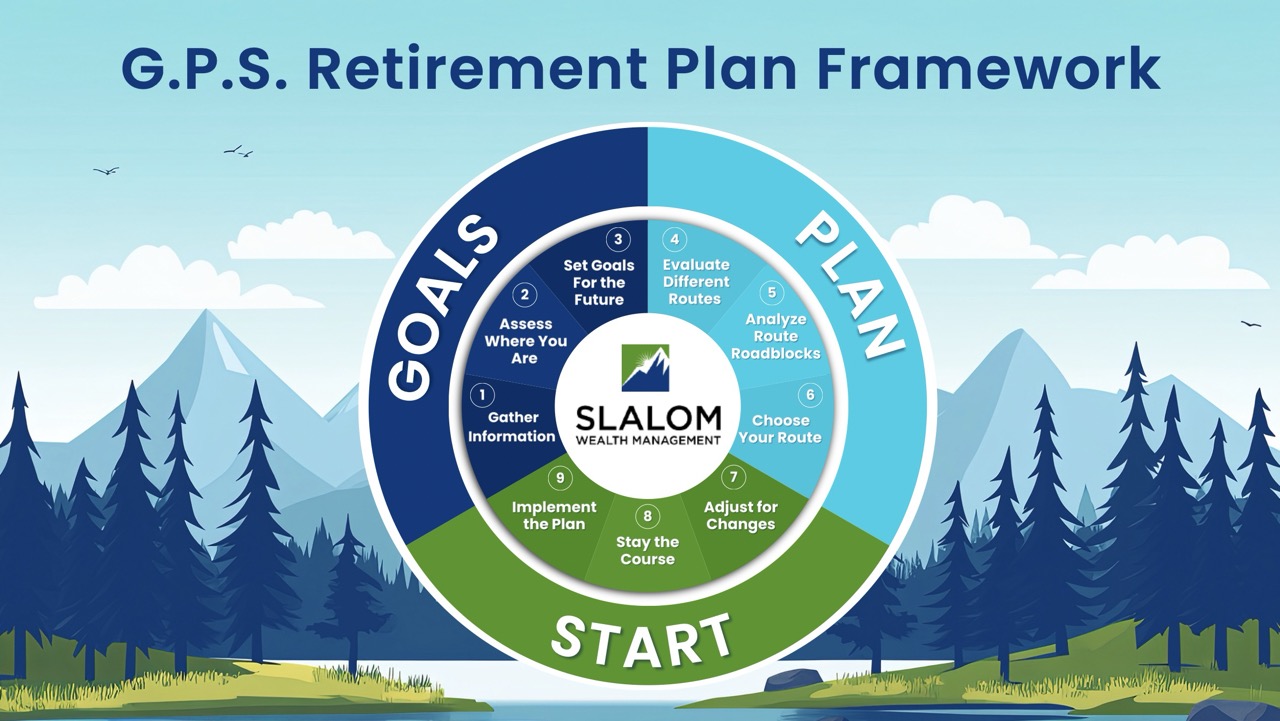
With that framework, your retirement stops being a nebulous fear of “running out” and becomes an ongoing process of aligning your money with your values.
FAQ: Is It Possible To Save Too Much For Retirement And Then Not Enjoy It?
Yes—and it is more common than you might expect. Research consistently shows that retirees often spend far less than they could safely afford, driven by fear rather than necessity. The go-go years (early retirement when you are healthy and active) are your most valuable spending window. Living too cautiously during this phase can mean missing experiences that cannot be recreated later.
If you are approaching retirement and want help deciding not just if you can retire, but how much you can comfortably spend without second‑guessing every decision, a clear plan can make a real difference.
Schedule a complimentary consultation with our office. We’ll help you see, in numbers, how much you can really afford to spend so you avoid both overspending and the hidden risk of underspending.