You have spent 30 or 40 years doing the right thing — saving consistently, resisting the urge to panic, and letting your investments grow. Now you are within reach of retirement, and the question shifts from “how do I grow this?” to “how do I protect and use it wisely?” That shift is what prudent investing after 50 is really about. And for most people, it means something very different from what they assume.
Once you’re within 10–15 years of retirement, the purpose of your portfolio starts to shift. During your working years, the goal is straightforward: save consistently and grow your assets over time. In the retirement window, the job description changes. Your investments now need to support a specific lifestyle, provide a monthly “paycheck,” and last for an unknown number of years, all while navigating markets, inflation, and taxes. Prudent investing is what connects those moving pieces into one coherent plan.

Prudent does not mean ultra‑conservative
A common misconception is that prudent investing means moving almost everything to cash and “safe” bonds the day you retire. While that might feel emotionally comforting, it usually creates a new set of risks you cannot see as easily: inflation slowly eroding purchasing power, portfolios that struggle to keep up with longer lifespans, and the possibility of running out of options later in retirement. A portfolio that is too conservative can be just as dangerous as one that takes on excessive risk.
After 50, prudence means balancing the need for growth with the need for stability. That often includes maintaining a meaningful allocation to equities, especially high‑quality, diversified stock exposure, while pairing it with bonds, cash, and possibly guaranteed income sources to reduce the impact of short‑term market swings on your spending. The mix should reflect your specific goals and time horizon, not a rule of thumb or a generic “your age in bonds” formula.
Purposeful risk vs. accidental risk
One helpful way to think about prudent investing is to separate purposeful risk from accidental risk. Purposeful risk is the exposure you intentionally take to pursue higher long‑term returns, such as a diversified equity allocation that is sized appropriately for your plan. Accidental risk is the risk that creeps in unintentionally—over‑concentration in a single stock, holding too much in one sector, or relying on a handful of funds without realizing they all behave similarly.
Many investors over 50 carry accidental risk without realizing it. They may have large positions in a former employer’s stock, a handful of legacy mutual funds, or a portfolio that grew more aggressive over time without being re‑examined. Prudent investing requires periodically “stress‑testing” your portfolio to identify where risk is actually coming from and whether it still aligns with your goals. The objective is not to eliminate risk, but to make sure every risk you take has a clear purpose.
Aligning investments with your retirement plan
By definition, prudent investing cannot be separated from planning. The right portfolio for someone who wants to retire at 62 and travel extensively for the next decade will look different from the right portfolio for someone who plans to work part‑time into their late 60s and spend more modestly. Investment decisions should follow from a written retirement plan that includes your income needs, known future goals, Social Security strategy, and tax picture.
For example, if your plan calls for a specific level of monthly spending, the portfolio should be built around how you will reliably generate that income — through a total return approach that combines portfolio growth, systematic withdrawals, and guaranteed income sources like Social Security or pensions. The question is not which individual holdings pay the best dividends; it is whether the overall strategy supports your plan across different market environments.
Diversification as a core prudence tool
Diversification is one of the most important tools in prudent investing, especially in the years surrounding retirement. Owning a broad mix of asset classes—such as U.S. and international stocks, high‑quality bonds, and cash reserves—helps reduce the impact of any single holding or sector on your overall results. While diversification does not prevent losses, it can smooth the ride and make it easier to stay disciplined when markets are volatile.
For investors over 50, true diversification often means moving away from portfolios that are heavily tilted toward a few familiar names or funds. It may involve using low‑cost, broadly diversified funds or portfolios grounded in evidence‑based investing principles, rather than chasing recent performance or headlines. The goal is not to own “a little of everything,” but to build an intentional mix that gives you multiple sources of return without concentrating your risk in one place.
Managing emotions and behavior
Prudent investing after 50 is as much about behavior as it is about math. Market downturns feel different when you are drawing from your portfolio or approaching a major decision like retirement. It becomes much harder to ignore short‑term headlines when you see your account balances moving and know that withdrawals are scheduled every month. This is where a clear plan, thoughtful asset allocation, and a disciplined process can help you avoid emotional, reactive decisions.
Having predefined “guardrails” for when to adjust spending, rebalance, or make portfolio changes can keep you from overreacting to temporary market declines. Instead of making impulsive decisions, you and your advisor can follow a playbook: if markets fall to a certain level, you might temporarily reduce discretionary spending, tap a cash buffer, or rebalance back to your target allocation. Prudent investing is not about ignoring risk; it is about deciding ahead of time how you will respond.

Costs, taxes, and simplicity
Another part of prudence is recognizing that you do not control market returns, but you do control costs, taxes, and complexity. Excessive fees, frequent trading, and overly complicated portfolios can eat into long‑term results and make it harder to see whether your investments still match your goals. Simplifying where possible—without sacrificing diversification—often makes it easier to manage risk, implement tax‑efficient strategies, and stay on track.
Tax‑aware investing is especially important after 50. Asset location (which investments you hold in which accounts), tax‑efficient withdrawal strategies, and opportunities like Roth conversions all affect how much of your returns you keep. A prudent approach looks at your investment decisions through a tax lens, not just a performance lens, so that the plan you design on paper translates into real‑world outcomes in retirement.
FAQ: What Does Prudent Investing Mean After 50?
Prudent investing after 50 means aligning your portfolio with a specific retirement plan rather than a generic rule of thumb. It involves taking the right amount of risk — enough to support long-term growth and keep pace with inflation, but not so much that a bad market sequence disrupts your income or forces reactive decisions. Prudence also means identifying and eliminating unintentional concentration risk, keeping costs low, and making decisions through a tax lens, not just a performance lens. The goal is not to maximize returns; it is to support the retirement you have planned for.
A practical next step
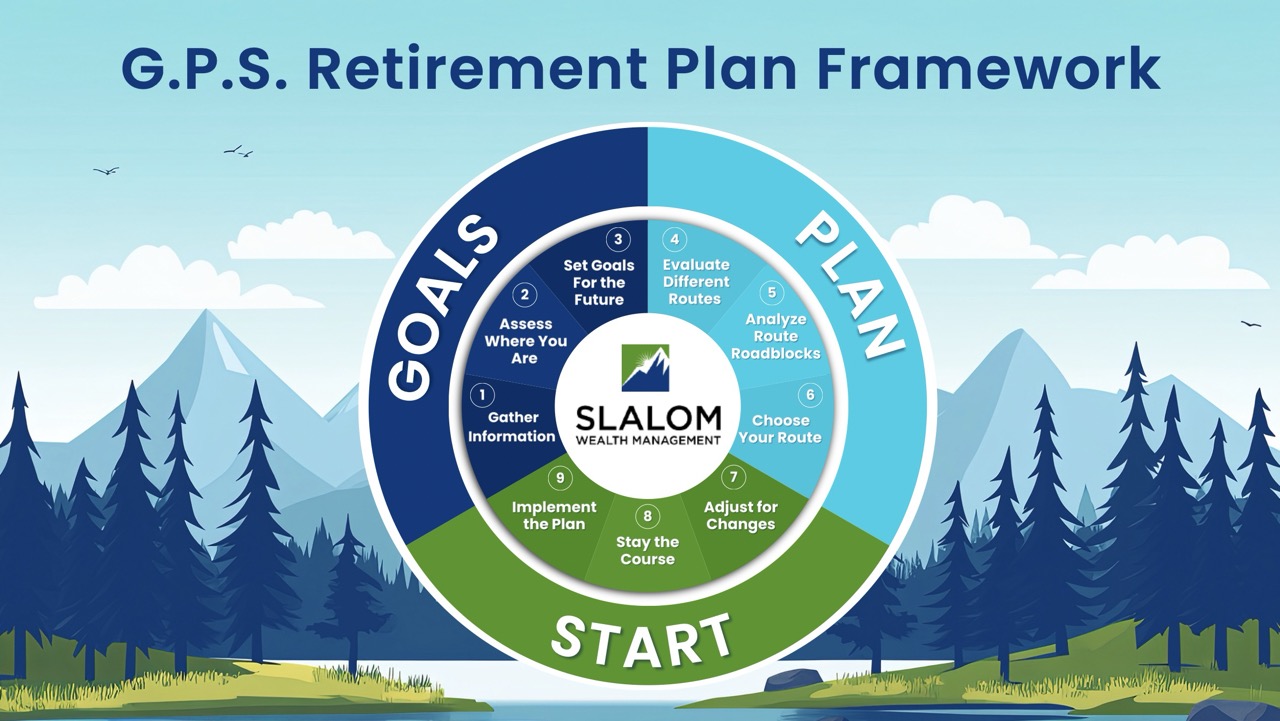
If you are over 50 and wondering whether your current portfolio is truly prudent, a practical first step is to tie it back to a clear retirement plan. That means clarifying your goals, mapping out your income sources, and stress-testing your investments against different market and longevity scenarios. From there, you can determine whether your portfolio is taking too much risk, too little risk, or the right amount for the life you want to live.
If you are approaching retirement and want help evaluating whether your investments are aligned with a prudent, evidence-based plan — and how that fits with your broader income, tax, and Social Security decisions — we are happy to help.
Schedule a complimentary consultation with our office. We will review your current portfolio, walk through different risk and allocation scenarios, and help you make decisions that support confidence today and security in the years ahead.